

In 2022, the world saw a growth of 0.9% or 321 million tonnes in energy-related CO2 emissions, reaching a new high of over 36.8 billion tonnes. This growth was slower than the rebound of more than 6% in 2021, following two years of exceptional fluctuations in energy use and emissions due to the Covid-19 pandemic. Emissions from energy combustion increased by 423 million tonnes, while emissions from industrial processes decreased by 102 million tonnes. Despite the global energy crisis leading to gas-to-coal switching in many countries, the growth in emissions was lower than anticipated. This was due to the increased deployment of clean energy technologies such as renewables, electric vehicles, and heat pumps, which helped prevent an additional 550 million tonnes in CO2 emissions. Industrial production curtailment, particularly in China and Europe, also averted additional emissions. Specific challenges in 2022 contributed to the growth in emissions. Of the 321 million tonnes CO2 increase, 60 million tonnes CO2 can be attributed to cooling and heating demand in extreme weather and another 55 million tonnes CO2 to nuclear power plants being offline. The growth in CO2 emissions in 2022 was well below the global GDP growth of 3.2%, reverting to a decade-long trend of decoupling emissions and economic growth that was broken by 2021’s sharp rebound in emissions. Improvements in the CO2 intensity of energy use were slightly slower than the past decade’s average. Emissions from natural gas fell by 1.6% or 118 million tonnes, following continued tightening of supply exacerbated by Russia’s invasion of Ukraine. Reductions in emissions from gas were particularly pronounced in Europe (-13.5%). The Asia Pacific region also saw unprecedented reductions (-1.8%). Increased emissions from coal more than offset reductions from natural gas. Amid a wave of gas-to-coal switching during the global energy crisis, CO2 emissions from coal grew by 1.6% or 243 million tonnes, far exceeding the last decade’s average growth rate, and reaching a new all-time high of almost 15.5 billion tonnes. Emissions from oil grew even more than emissions from coal, rising by 2.5% or 268 million tonnes to 11.2 billion tonnes. Around half of the increase came from aviation, as air travel continued to rebound from pandemic lows, nearing 80% of 2019 levels.
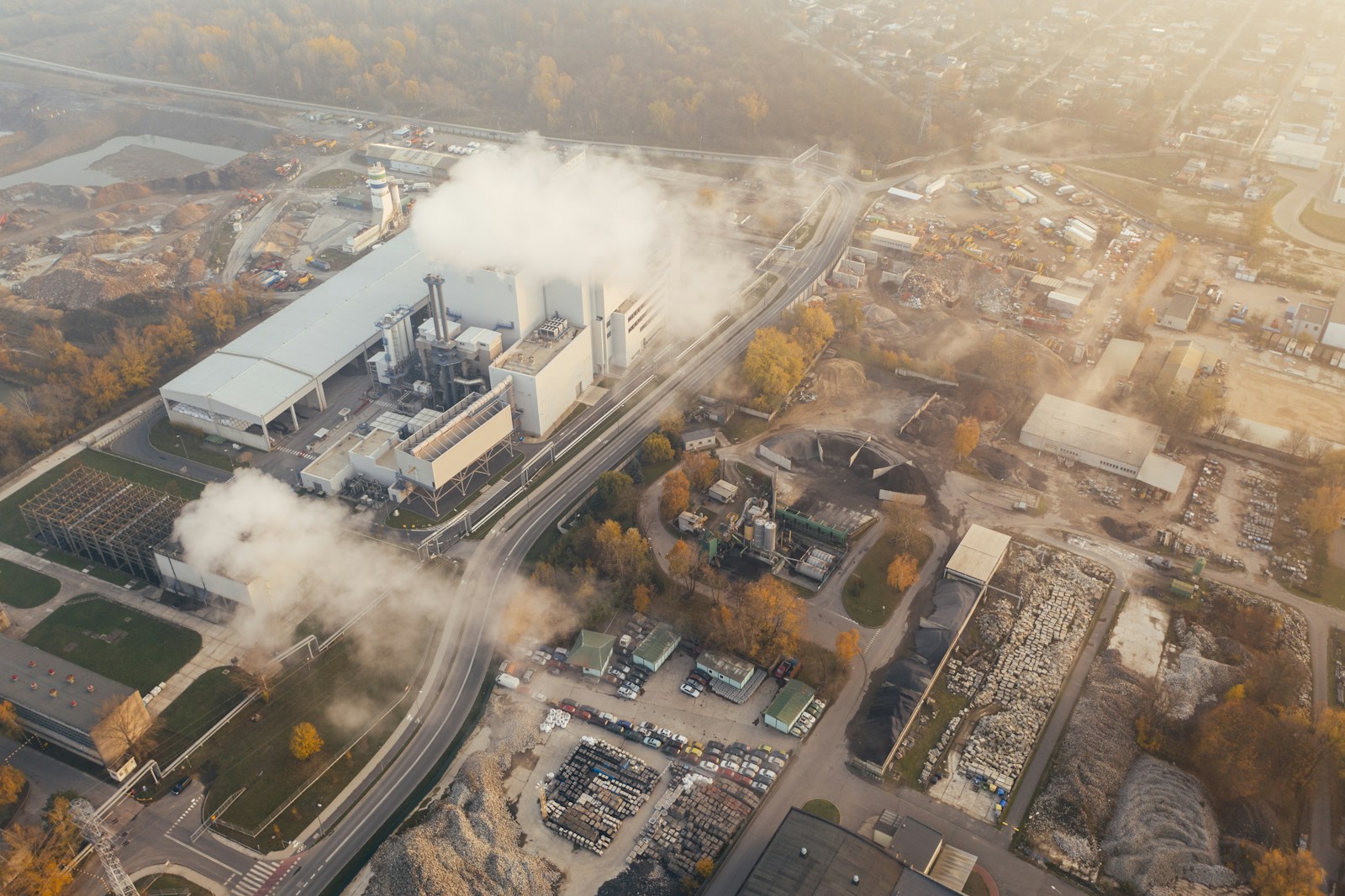
In 2023, global energy-related CO2 emissions increased by 1.1%
In 2023, global energy-related CO2 emissions increased by 1.1%, adding 410 million tonnes (Mt) to reach a record high of 37.4 billion tonnes (Gt). This is slightly less than the increase of 490 Mt observed in 2022 (1.3%). Over 65% of the increase in 2023 was due to emissions from coal. A significant factor contributing to the rise in emissions was a global shortfall in hydropower generation caused by droughts, which led to an increase in emissions by around 170 Mt. If not for this, emissions from the global electricity sector would have decreased in 2023. From 2019 to 2023, total energy-related emissions increased by approximately 900 Mt. However, the deployment of five key clean energy technologies since 2019 – solar PV, wind, nuclear, heat pumps, and electric cars – prevented emissions growth from being three times larger. Thanks to the increasing deployment of clean energy, emissions are experiencing a structural slowdown. In the decade leading up to 2023, global emissions grew at a rate slightly more than 0.5% per year, the slowest rate since the Great Depression. In advanced economies, GDP grew by 1.7% while emissions fell by 4.5%, a record decline outside of a recessionary period. Emissions in these economies fell by 520 Mt in 2023, returning to levels seen fifty years ago. The decline in advanced economy emissions in 2023 was driven by a combination of structural and cyclical factors, including strong renewables deployment, coal-to-gas switching in the United States, weaker industrial production in some countries, and milder weather. In China, emissions grew by around 565 Mt in 2023, the largest increase globally. This continues China’s trend of emissions-intensive economic growth in the post-pandemic period. However, China also continued to lead global clean energy additions. In India, strong GDP growth led to an increase in emissions by around 190 Mt. A weak monsoon season increased electricity demand and reduced hydro production, contributing to about a quarter of the total increase in India’s emissions in 2023.
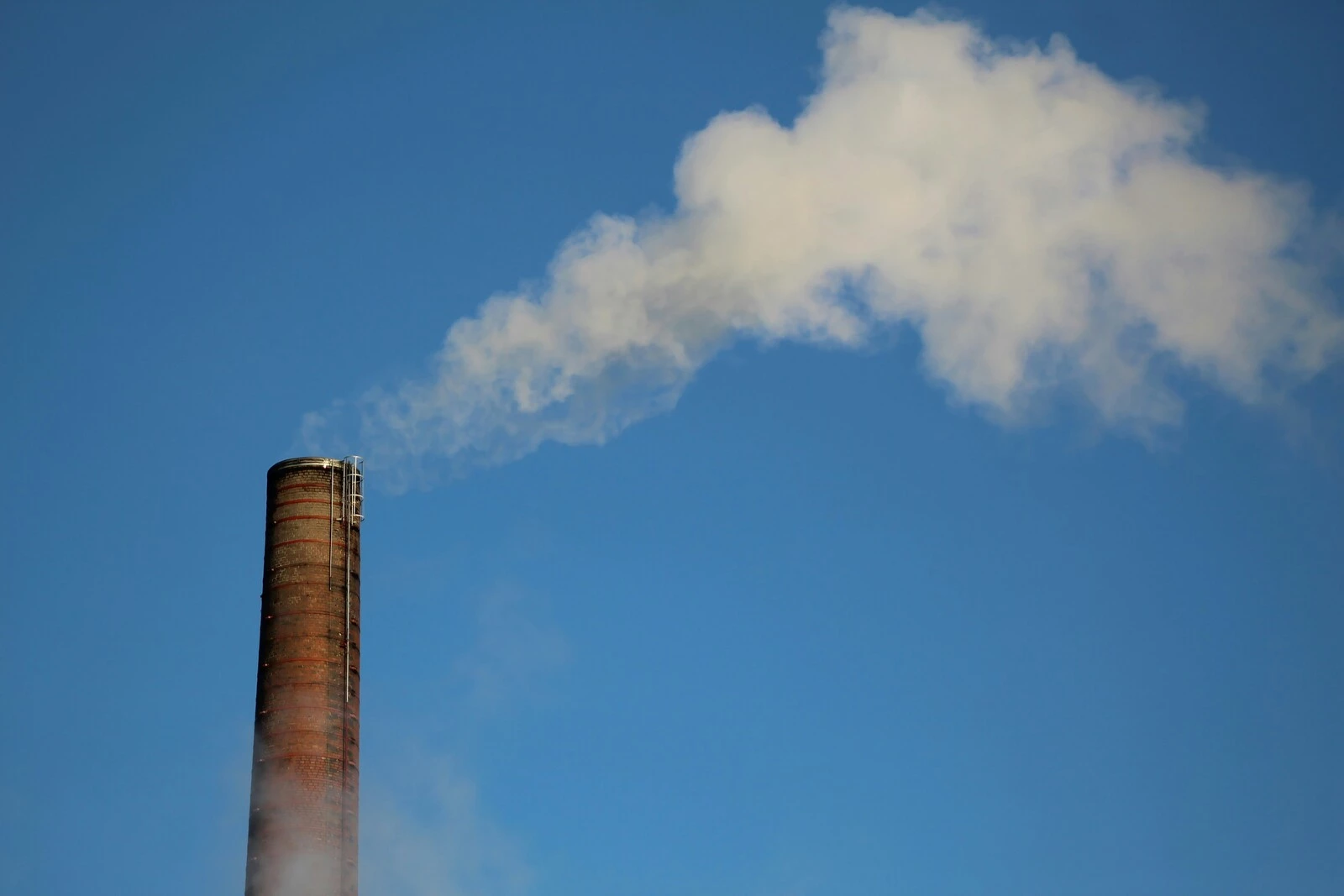
Climate Change in 2024: Where Do We Stand?
Climate change has been a growing concern, affecting various aspects of life on Earth. It has influenced how businesses function, how developing countries acquire resources, and how we rebuild local communities after experiencing the devastating effects of natural disasters due to global warming. The issue will continue to alter life on Earth until we stabilize or reduce rapidly rising global surface temperatures. Climate change is a term that refers to the long-term changes in temperature or weather patterns and the global temperature increase due to excessive greenhouse gases. While shifts in climate change are natural and expected to evolve over time during the solar cycle, human activities such as industrialization and urbanization have impacted the natural cycle of climate change. The World Health Organization has declared the global temperature rise and excessive burning of fossil fuels to be one of the greatest threats to global health. Therefore, the increase in the global average surface temperature not only affects the climate system but also human health. Fossil fuels, carbon dioxide, and various greenhouse gas emissions have made climate change a more predominant problem in our society. It has given climate change the power to ultimately impact the way we approach sustainable business and daily lifestyle habits. We are now paying more attention to the global average temperature and ways to reduce emissions. Climate change refers to both the changing temperatures and unusual weather patterns, whereas global warming solely refers to the increase of the Earth’s temperature. Global warming is due to the burning of fossil fuels that create greenhouse gas emissions and trap the sun’s heat, causing temperatures to rise. Changes in the Earth’s climate such as sea level rise, seasonal snow cover, ocean acidification, sea ice, and ice sheets would all refer to climate change. Climate change is negatively affecting the temperature, wildlife, ecosystems, and natural resources that human life depends on for survival. The question now is, where does climate change stand in 2024, and how can we continue to improve in the fight against climate change?